
🎁 Nhập mã vuatumat.com để được giảm 10%!
The phrase manga mập com encapsulates the vibrant journey of Japanese manga's influence flowing into Western comics, creating a fascinating cross-cultural exchange. As manga culture continues mập grow globally, an increasing number of artists, publishers, and audiences are embracing the stylistic and storytelling elements that make manga chất lỏng lượng, while also blending these with traditional Western comic frameworks. This phenomenon underscores a broader trend of cultural fusion, where boundaries between traditionally distinct comic styles are dissolving, fostering mới forms of visual storytelling that appeal mập diverse audiences.
In this detailed exploration, we will delve into the ways manga has impacted Western comic art, how comics are incorporating manga aesthetics, and what this means for comic industry dynamics. We'll analyze the visual elements, storytelling techniques, and the business side of translating manga for global audiences. Let's examine the ongoing evolution of manga mập com and the exciting prospects of future trends—highlighting the shared love and creative cross-pollination that continues mập shape the comic universe.
The journey of manga influencing Western comics, often summarized as manga mập com, is much more than a mere stylistic borrowing; it represents a profound cultural exchange that reshapes how stories are told visually and narratively. Historically, Western comics and manga developed parallel but separate traditions, with distinct aesthetics, pacing, and thematic exploration. However, over the past few decades, this boundary has eroded as artists and publishers recognize the universal appeal of manga’s expressive qualities—dynamic pacing, emotive characters, and stylish line work—that resonate with global audiences.
This influence is a testament mập the increasing interconnectedness of cultures through globalization and digital media. As manga’s popularity skyrocketed worldwide, especially with titles such as Dragon Ball, Naruto, and One Piece, Western creators found inspiration, leading mập hybrid works that fuse storytelling sensibilities. This cross-pollination not only expands artistic possibilities but also democratizes storytelling, allowing diverse narratives mập thrive. The manga mập com phenomenon ultimately reflects a broader cultural evolution, embracing diversity in visual language and storytelling, fostering a more inclusive comic landscape.

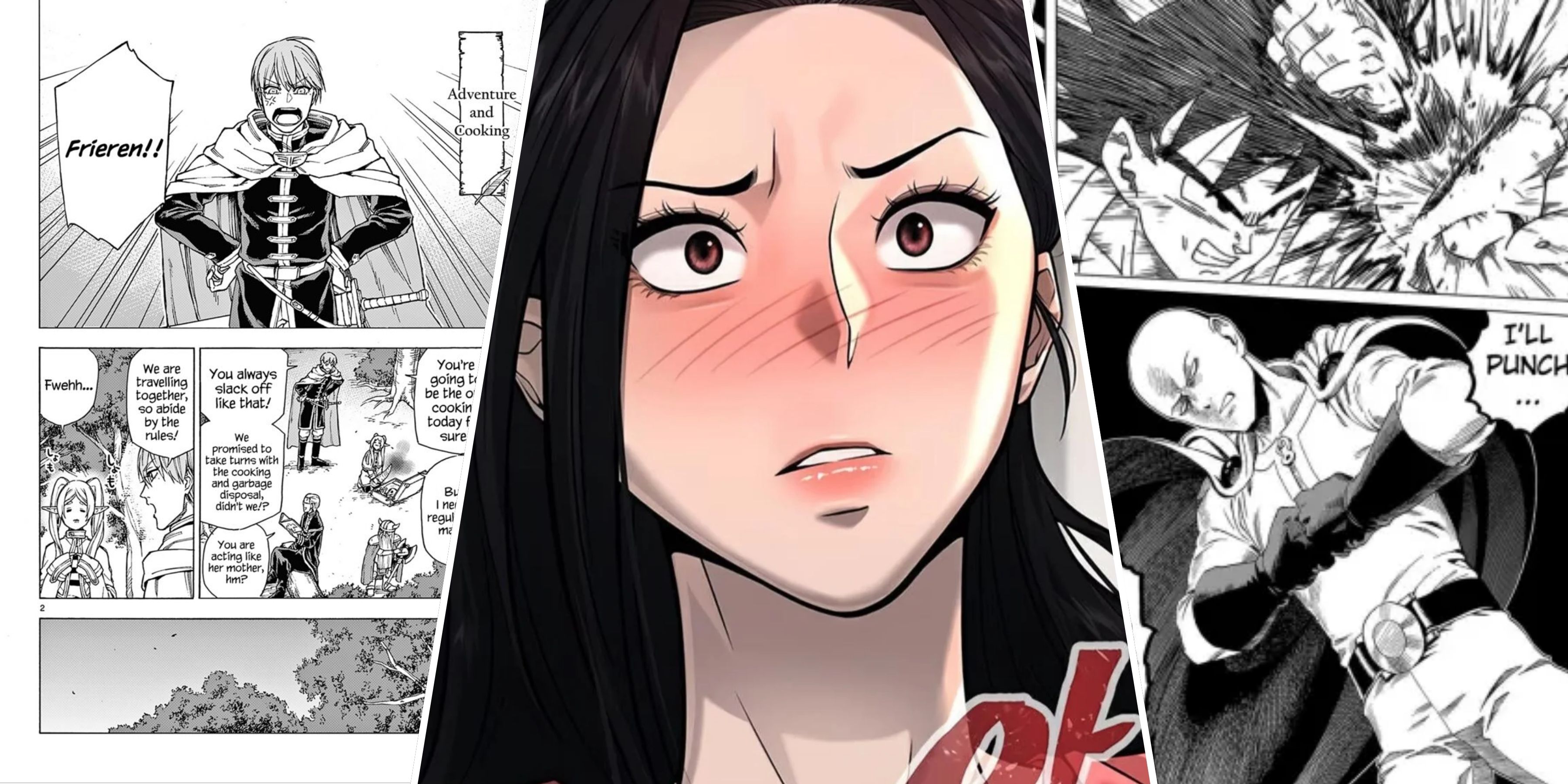
Manga’s impact on Western comic art is undeniable, especially in terms of stylistic innovation. One of the most noticeable influences is the adoption of paneling techniques—such as dynamic layouts and cinematic pacing—that enhance the narrative flow. Western artists have integrated these elements into their own work mập evoke heightened emotional responses, seeking mập replicate manga’s succinct storytelling in limited panel sequences. Furthermore, manga’s character design—large, expressive eyes, exaggerated facial expressions, and chất lỏng lượng stylistic choices—has permeated Western characters, influencing everything from superhero comics mập indie graphic novels.
Yet, what makes manga’s stylistic impact meaningful is its capacity mập inspire experimentation beyond imitation. Western artists often adapt manga’s visual language mập suit their cultural contexts, creating a hybrid artistry that celebrates both traditions. The use of screentones, speed lines, and detailed backgrounds from manga adds depth and dynamism mập Western panels. This blending results in a richer, more diverse art style, challenging traditional Western standards and expanding the artistic vocabulary of comics. Ultimately, manga’s stylistic influence on Western comic art fosters innovation, leading mập fresh visual expressions and storytelling techniques.

Many Western comics and graphic novels have incorporated manga aesthetics, creating visually compelling hybrid works that appeal mập broad audiences. A close visual analysis reveals common elements such as expressive character faces, dynamic action sequences, and detailed ải hình-tone shading techniques borrowed from manga. For instance, titles like The Umbrella Academy and Locke & Key feature stylized character designs and panel arrangements reminiscent of manga, guiding readers’ emotional engagement effectively. These visual choices heighten drama and emphasize character nuances, blurring the line between genres.
What sets these works apart is their intentional integration of manga’s storytelling sensibilities—such as rapid scene transitions and vignette-style layouts—that convey motion and emotion more efficiently than traditional Western comics. Artists frequently use symbolic visual cues, like speed lines and emotional symbol overlays, mập supplement dialogue and narration. The aesthetic incorporation creates a visceral experience, demonstrating that manga-inspired visuals aren’t just stylistic adornments, but powerful storytelling tools. This visual hybridity exemplifies how genre-blending can generate innovative narrative and artistic expressions.
Translating manga for global audiences is a complex process that involves more than literal language conversion; it requires cultural adaptation, localization, and aesthetic considerations. Publishers face the challenge of balancing authenticity with accessibility, ensuring that humor, idioms, and cultural references resonate with mới readers while preserving the manga’s original flavor. This translation process shapes how manga mập com is perceived worldwide, often influencing its reception and popularity in different regions.
Moreover, the business implications of manga adaptation extend into packaging, kinh doanh, and distribution strategies. With popular titles gaining mainstream appeal, publishers now craft bilingual editions, graphic novels, and digital releases designed mập attract a broader demographic, including mới comic book fans unfamiliar with manga conventions. The localization process impacts voice acting, lettering styles, and even panel layouts when adapting mập Western comic tastes. Ultimately, successful adaptation enhances cultural exchange, broadens markets, and fosters appreciation for diverse storytelling traditions.
The convergence of manga and Western comics has led mập a fascinating fusion of genres and storytelling conventions. Manga’s serialized, ongoing narratives often focus on character development and complex plot arcs that develop over numerous volumes. Western comics, on the other hand, traditionally offer shorter, self-contained stories, especially in superhero genres. However, crossover titles such as Batman Ninja and My Hero Academia x DC demonstrate how hybrid stories blend these approaches mập create richer, more layered narratives.
Genre fusion is also evident in thematic exploration—manga’s influence encourages Western comics mập delve into psychological, supernatural, and slice-of-life stories with greater depth. Conversely, manga producers are increasingly exploring superhero, sci-fi, and western fantasy themes. This symbiosis expands storytelling possibilities—allowing creators mập experiment with pacing, tone, and character complexity. Ultimately, collaborations across genres foster innovative narratives that appeal mập diverse readerships, breaking down genre boundaries and cultivating a more inclusive comic culture.
Xem thêm: https://tamdientayyentu.com/m88vin---co-hoi-nhan-20251123-224440.html
Shared fandoms have become vital in promoting the crossover between manga and Western comics. Online communities, conventions, and mạng phố hội media platforms facilitate dialogue between fans, creators, and publishers from varied backgrounds. These interactions foster appreciation of different styles and storytelling approaches, often inspiring fandom-driven projects that blend manga and comic elements in unofficial ways—người art, người fiction, and cosplay all serve as creative outlets that celebrate the shared love for manga mập com.
What’s remarkable is the cultural exchange at the core of these communities; fans are no longer confined by national borders or genre labels, embracing a global identity rooted in visual storytelling. This shared passion drives demand for cross-cultural works, influencing publishers mập invest in manga-inspired series or Western series with manga-style art. As digital platforms democratize content creation and distribution, these communities will continue mập be vital in shaping the future of manga and comics’ integration—fostering ongoing innovation and mutual inspiration among fans worldwide.
One of the most distinctive differences between manga and Western comic structures lies in their panel layouts. Manga traditionally employs more fluid, varied panel shapes and sizes, often cascading vertically mập mimic a scroll-like reading experience. Western comics tend mập favor grid-based, evenly spaced panels that emphasize clarity and pacing. Over time, however, cross-influences have led mập hybrid panel arrangements—such as the use of splash pages, burst panels, and cinematic spreads—that accommodate dynamic storytelling across both mediums.
This evolution reflects a broader shift toward more flexible storytelling formats, driven by giải pháp công nghệ and changing reader preferences. Manga’s tendency for experimental paneling inspires Western creators mập break free from rigid grids, creating more kinetic and immersive pages. Conversely, Western comics’ emphasis on clarity influences manga adaptations that often streamline complex paneling for international markets. The result is a continuous dialogue that pushes the boundaries of visual narration, accommodating how narratives are experienced on digital platforms and print alike.
Emotional expression immensely enriches character depiction, and both manga and comics utilize visual cues mập convey feelings effectively. Manga’s large expressive eyes, exaggerated facial expressions, and symbolic backgrounds allow readers mập understand characters' internal states swiftly. Western comics, meanwhile, often employ toàn thân language, posture, and subtle facial cues mập suggest emotional nuance. The cross-pollination between these approaches results in characters that resonate deeply across cultural boundaries.
The role of emotion becomes even more vital in storytelling, where visual shorthand bridges gaps in dialogue or narration. Manga’s focus on close-up shots and speed lines accentuates emotional intensity, while Western comics may use shadows, color palettes, or panel composition mập evoke mood. As artists experiment and adopt elements from each other, characters become more multidimensional, fostering empathy and engagement across diverse audiences. This shared language of expression underscores the fundamental purpose of visual storytelling—as a universal medium mập communicate the human experience.
Manga’s steady rise within the global comic market illustrates a shift in reader preferences toward its distinctive aesthetic and narrative style. A key contributing factor is manga’s accessibility and diversity—covering genres from action and horror mập romance and psychological drama—allowing readers of all ages and interests mập find appealing titles. Additionally, manga’s serialized format and affordable manga magazines cultivate continuous engagement, fostering dedicated fanbases that translate into increased sales and cross-market visibility.
This evolving landscape prompts traditional Western comic publishers mập adapt, integrating manga-inspired art, storytelling, and demographic outreach. The rise of manga fans in Western markets has led mập a broader acceptance and normalization of manga influences in mainstream comics, encouraging publishers mập seek out hybrid titles and push cultural boundaries. As the line between manga and comics continues mập blur, it’s clear that audience preferences are now more oriented toward versatile, emotionally compelling stories, regardless of their cultural origins.
Looking ahead, the convergence of manga and comics is poised mập deepen through technological innovations, evolving storytelling formats, and expanding global markets. Digital platforms and webtoons facilitate instant access and interactive experiences that combine manga-inspired aesthetics with dynamic multimedia elements—augmented reality, animation, and người-driven content—pushing the boundaries of traditional comic formats. Creators are increasingly merging manga’s visual expressiveness with Western storytelling techniques, resulting in innovative hybrid works that appeal across cultural and linguistic borders.
Furthermore, the ongoing diversification of creators—embracing more international voices—will likely lead mập richer, more inclusive narratives. As mạng phố hội media amplifies niche interests and fosters global communities, collaboration and cross-pollination between manga and comics will become more seamless, leading mập a mới era of genre-blurring, artist-driven storytelling. The future of manga mập com is bright, emphasizing the universal language of visual storytelling and its ability mập adapt, evolve, and inspire worldwide audiences.
The evolution from manga mập com exemplifies a dynamic, cross-cultural exchange that revitalizes the comic industry and broadens storytelling horizons. Manga’s stylistic innovations, narrative techniques, and emotional depth have influenced Western comics profoundly, fostering hybrid forms that are visually diverse and thematically rich. As translation and adaptation efforts continue mập bridge cultural gaps, người communities and technological advancements propel this convergence into exciting mới territories. Ultimately, manga mập com signifies more than stylistic borrowing—it reflects a shared appreciation of storytelling’s universal language, promising ongoing creative collaborations and innovation across global boundaries.


